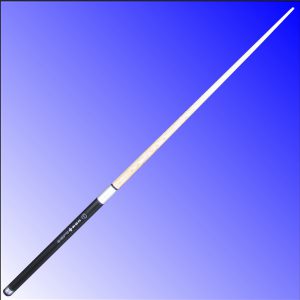
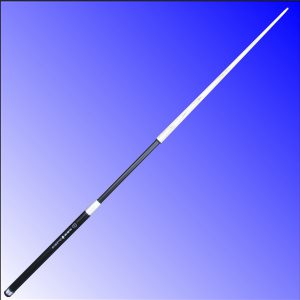
Do pool breaking cues work and are they worth the cost?
 We have many pool players who visit our pool cue showroom and select a cue with an 8mm or 8.5mm tip. I always ask them before they leave if they have a `Breaking Cue` for use when they make a break off at the start of a game. I do this not in order to get a further sale from them but the truth is that if you use your `Playing Cue` to break off you are in danger of damaging the ferrule and at worse the ferrule snapping off. This would not finish the cue and mean you would have to bin it if it happened, I can re-ferrule and re-tip for around £26 which is cheaper than buying a new cue but it would mean that the cue would be about a 1/4 inch shorter. Most players would not be too concerned about this but if it continues to happen than of-course the cue is going to get noticable shorter.
So, why does the ferrule snap off in the first place? Well, the tip end is obviousely the thinnest part of the cue and takes the biggest impact. The ferrule itself is normally made of brass or other hard matterial and the purpose of the ferrule is to enable the tip to be re-placed without sortening the cue. That was the only reason the ferrules were at first introduced and has nothing to do at all with the performance of the cue at all.
The reason the ferrules break off is that the 8.5 tip on an English Pool Cue does enable good players to get a better response with the cue ball. More ‘side spin and draw back` especially. However if 8mm or 8.5mm tips apear small, imagine how small the wood is that is on the inside. The player is puting a great ammount of force into a shot on a piece of wood which is much smaller in diameter then a pencil. So not surprising that after smashing into `the pack` at a start of a game the wood sometimes snaps.
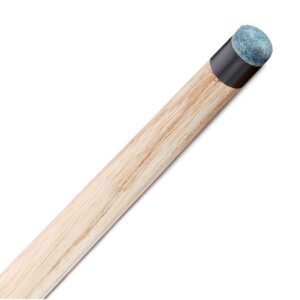
It is the trend in breaking cues to have bigger tips and plastic ferules. They also have a slightly different taper but there are no particular spec’s for a breaking cue. Peradon’s breaking cues are not very heavy and some players prefer a lighter breaking cue. I have some cues in stock of our own which are just bigger tipped snooker cues but could easily be sold or branded as breaking cues. The ash is not top quality but that is the case with most breaking cues that I have seen. One thing most of them do have in common though is that they are quite expensive for a cue that only gets used once in a game.
What also needs to be considered though is that though the cue only gets used once in a game it’s best purpose and benefit is perhaps served in protecting your playing cue from ferrule damage when hitting a hard break and p0ssibly breaking off. Any game advantages could be measured by racking the balls 10 or 20 times and making a break with a dedicated Breaking Cue and then doing the same excercise with a snooker cue. It has to be the same player though hitting the cueball the same each time in order to make a fair comparison. Log the differances. How many balls were potted, how many whites went in? This way you can do your own accessment as to whether your game will benefit in purchasing a breaking cue and if you think it does you can find some on our website from the links below;
Blue Moon Butt Jointed Breaking Cue for pool which will fit most butt-jointed cue cases.
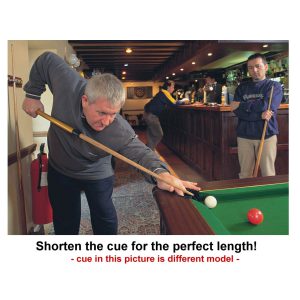
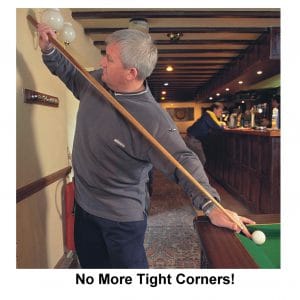 If you have ever felt you needed a shorter cue for those tight spots then for sure you will be able to find one somewhere on the internet. However it will not likely feel very good and the chances of being able to play a decent shot with it will be slim. Some players where this is a regular problem have been known to cut a perfectly good cue down in size
 your pool seriously you may want to consider one of our